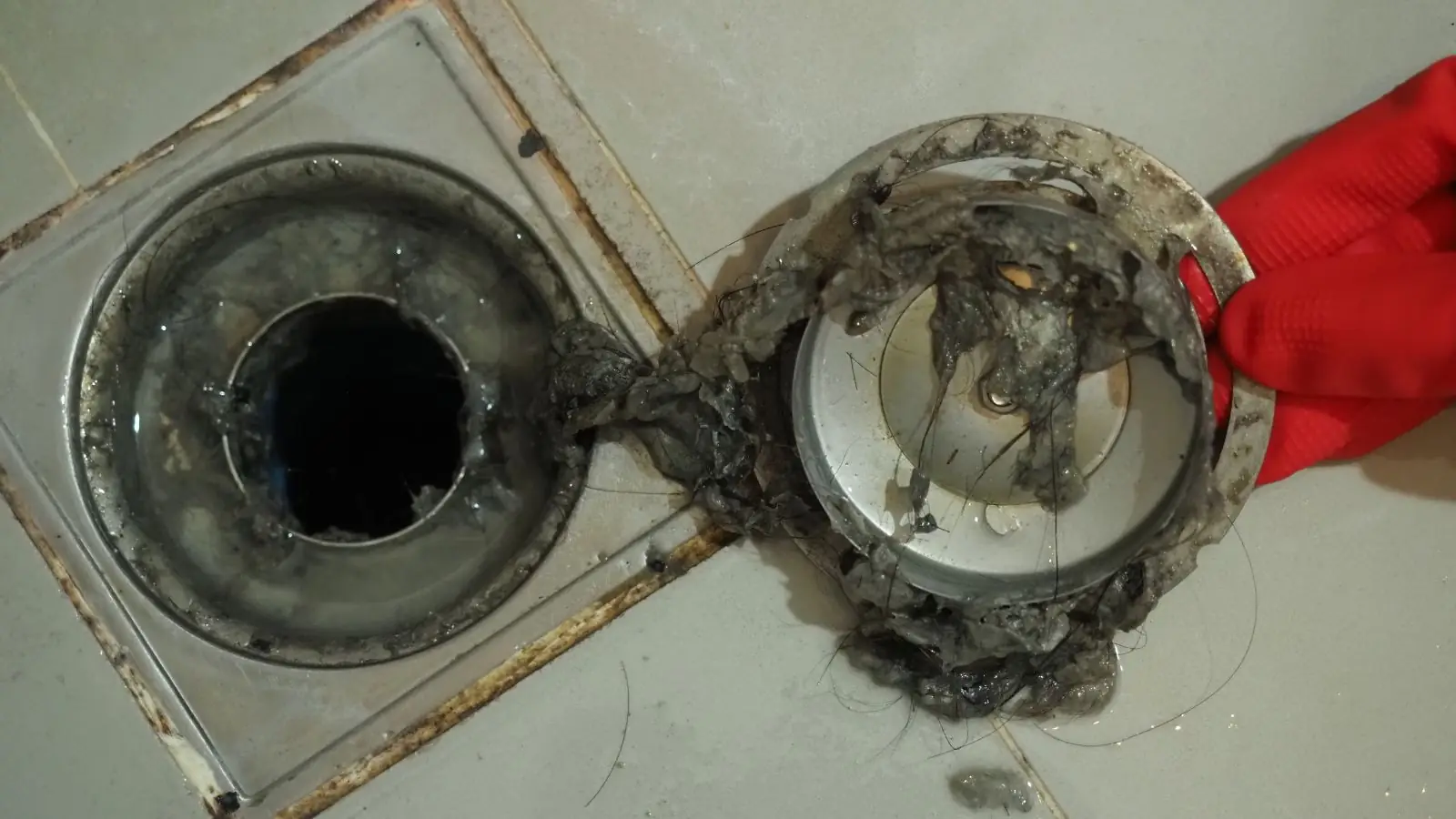
A sewage backup happens when waste water cannot leave the house and comes back up through the lowest opening it finds. In Littleton, CO homes that is usually a basement floor drain, a shower, a tub or a toilet. The cleanup is a restoration job and a contamination job at the same time.
The usual causes are a blocked main line, tree roots in an older lateral, a collapsed section of pipe, or heavy rain that overloads the lines. Which one it is decides who you call first, and that is covered below.
When a sewage backup is an emergency
Treat every sewage backup as urgent. The water is classed as Category 3 (black water) in the ANSI/IICRC S500 water categories, which means it can carry bacteria and other contaminants. It also soaks into carpet, pad, drywall and insulation within hours.
Waiting turns a cleanup into a demolition. Porous materials that sit in sewage cannot be made clean again, so the sooner they come out, the less of the house is affected.
Safety steps for the first hour
- Stop using every toilet, sink, shower, dishwasher and washing machine.
- Do not use a household wet vacuum or mop on the water.
- Keep children, pets and anyone with a medical concern out of the affected rooms.
- Do not walk through the water. If you must cross it, wear waterproof boots and gloves, and wash well afterward.
- If water is near outlets, appliances or a panel, stay away from them and have an electrician or your utility make it safe.
- Call the right party for the source, then call our 24/7 line for the cleanup.
Who to call first: the utility or a plumber
If every drain in the house is slow or backing up, the blockage is probably in the main line. In Littleton the city handles sewer emergencies and maintenance, at 303-795-3959 on weekdays from 8 to 4 and 303-794-1551 after hours. A main line backup is a utility call first.
If only one fixture is affected, the clog is likely in your own private line, and a plumber is the right trade. We clean up the contamination inside the house. We do not clear drains or repair sewer pipe.
| What you see | Likely meaning | First call |
|---|---|---|
| Basement floor drain gurgles, then overflows | Main line or lateral blocked | City sewer line, then us for cleanup |
| Toilet and tub back up together | Shared line blocked downstream | City sewer line or a plumber |
| One sink or one toilet backs up | Private branch line clog | A plumber |
| Backup during a heavy storm | Lines overloaded by runoff | City sewer line, then us |
| Sewer smell with damp flooring | Water already soaked in | Our 24/7 line |
How sewage backup cleanup works
Contain and protect
We set barriers over doorways and vents, and crews wear gloves, boots, respirators and protective suits.
Extract the water
Truck-mounted or portable extraction units pull standing water out of the space.
Remove porous materials
Carpet, pad, the lower section of drywall, insulation and soaked cabinets are cut out and bagged.
Clean and sanitize
Hard surfaces, framing and the slab are cleaned, then treated with an antimicrobial.
Dry and verify
Air movers and dehumidifiers run until moisture meters show the structure at dry standard.
Sewage on the floor? Call the 24/7 line and tell us which room and how far it spread.
Call (303) 952-8295What changes the cost of sewage cleanup
- How far the water spread and how many rooms it reached.
- Finished or unfinished space, since finished basements hold more materials to remove.
- How long the water sat before extraction began.
- Drying time and the amount of equipment the structure needs.
- The rebuild afterward, which is scoped separately.
We walk the space, then explain what the job involves and what it costs before any work starts. The wider scope is described on water damage cleanup.
Insurance and sewage backups
Sewer backup coverage is often an optional add-on to a homeowners policy, not part of the base policy. Read your declarations page or ask your agent whether you have it. The Colorado Division of Insurance advises starting a claim as soon as you can and getting your insurer's instructions before repairs.
Most property policies do not cover flooding. If the sewage came in because a creek or storm flooded the area, see flood damage restoration and ask your insurer how the loss is classified.
Mistakes to avoid after a backup
- Keeping the soaked carpet because it looks fine once dry.
- Using bleach on porous materials, which does not reach the contamination inside them.
- Running a fan across the wet area, which moves contamination through the house.
- Letting the room sit for days while waiting for the plumber.
Do not flush or snake your way out
Running water to see if the line clears makes a backup bigger. Wait for the utility or a plumber.
Littleton, CO: sewer service and flood context
South Platte Renew treats wastewater for Littleton, Englewood and 19 other communities, so a regional system sits behind your drains. When the main line is the problem, the repair is the utility's, and a call to the city line gets that moving while we start the indoor cleanup.
Some Littleton addresses sit in other sanitation districts that the city bills. Confirm which district serves you before you call, because the right number depends on it, and write down the time you called for your insurance record.
The city regulates FEMA and local floodplains the same way, and the 1978 FEMA study names Big Dry Creek, Lee Gulch and Slaughterhouse Gulch as flooding sources. If a storm both flooded the yard and backed up the drains, tell your insurer both things happened, because flood and sewer backup can be treated as different losses.
Sources: City of Littleton Utilities page, City of Littleton floodplain pages, Colorado Division of Insurance consumer advisories.
We also dispatch to Englewood, which shares the same treatment plant, and to southwest Denver when a backup call comes in there. Water from a failed basement line often needs the same attention as basement water damage once the sewage is out.
Common questions
The dispatch line never closes, and a crew is sent when one is free. No arrival time is promised, so the dispatcher walks you through keeping people out of the affected rooms until we get there.
No. The city or a plumber handles the blockage and pipe repair. We start after the source is stopped, or alongside it, to remove contamination.
Not usually. Category 3 water means carpet and pad that were soaked are removed, because they cannot be reliably sanitized.
Some Littleton-area addresses are served by other sanitation districts that the city bills. Call the city utility line and confirm before you assume who is responsible.