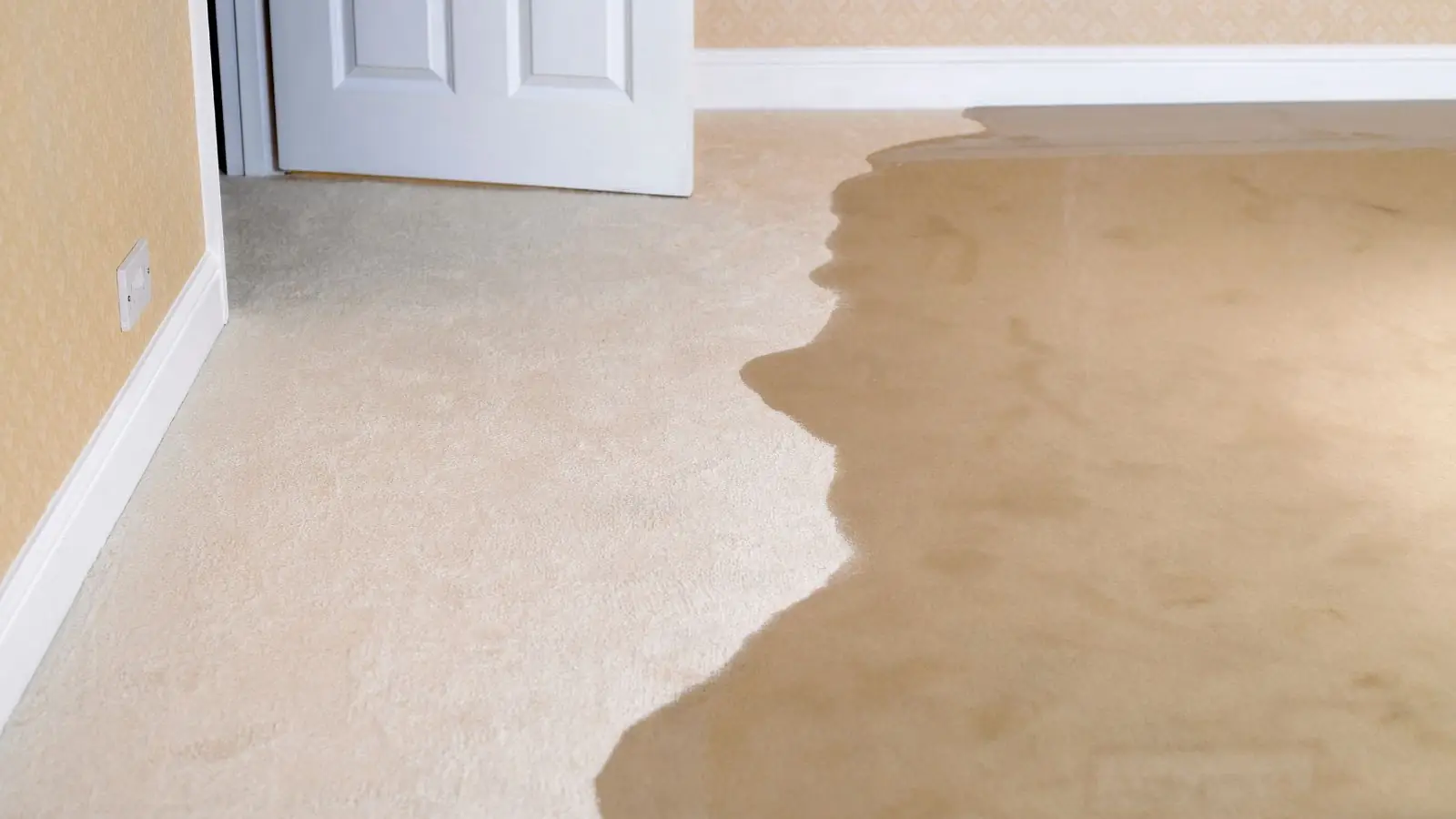
Carpet water damage means a carpet and its pad have taken on water from a leak, an overflow, a storm or a backup. Carpet is a three-layer system, with the face fiber, the backing and a foam or fiber pad beneath it. Each layer holds water differently, and the pad is the sponge.
In Littleton, CO most wet carpet is in basements, bedrooms and hallways. The fix depends on where the water came from, how long it sat and what is under the carpet.
Clean, grey or black water decides everything
Industry guidance in the ANSI/IICRC S500 standard sorts water into three categories. Category 1 is clean supply water, Category 2 is grey water with some contamination, and Category 3 is grossly contaminated, such as sewage or flood water.
Carpet can be saved after clean water if the response is quick. Grey water cases are judged one by one, and the carpet is cleaned and treated or removed. Category 3 means the carpet and pad come out, because they cannot be made safe again.
| Water source | Category | Carpet outcome |
|---|---|---|
| Supply line, broken pipe, sink overflow | Category 1 | Often saved if extracted and dried promptly, pad usually replaced |
| Washing machine or dishwasher discharge | Category 2 | Judged case by case, cleaned and treated or removed |
| Sewer backup, creek or storm flooding | Category 3 | Carpet and pad removed and discarded |
| Clean water left more than a day or two | Degrades toward Category 2 | Higher risk, may need removal |
Safety in the first hour
Stop the source first. If a pipe or fixture is the cause, close its shut-off valve or the home's main valve. If you do not know the source, ask us on the phone and we will help you find it.
Wet carpet can carry electricity from a lamp, power strip or baseboard outlet, so unplug floor items from a dry spot and turn off the breaker if outlets are wet. Keep children and pets off it.
Do not use a household vacuum
A regular vacuum is not made for water. It can shock you and it will spray moisture and dirt into the air. A shop vacuum is no better for soaked carpet, because it pulls only the top layer and leaves the pad full.
How we save and dry carpet
Check the water type
We ask about the source and test what we can see and smell to decide if the carpet is a save or a removal.
Extract with weighted tools
Truck-mounted or portable extractors and weighted wands press water from the face fiber and the pad.
Float the carpet
We release a corner from the tack strip, lift the carpet and fold it back so air can reach both the backing and the floor.
Remove the pad and dry
The wet pad is cut out and discarded. Air movers run under and over the carpet while dehumidifiers clear the room's moisture.
Treat, reset and verify
We apply antimicrobial treatment, reset the carpet with a power stretcher once the floor reads dry, and recheck with a meter.
Floating the carpet is the key to saving it. Without lifting, air cannot reach the underside. Stairs are harder, because the carpet wraps each tread and the pad is glued or stapled, so a wet stair nose may mean removing a section.
Wet carpet right now? Call and tell us how long it has been wet and where the water came from.
Call (303) 952-8295The pad and the subfloor
The pad is replaced in almost every water claim. It absorbs a lot, dries slowly and cannot be cleaned inside, and it is much cheaper than carpet. Subfloor under it is a different story. Plywood and concrete both hold moisture, and they need to read dry before new pad goes down.
Our wider drying work, including walls and baseboards, is described on the structural drying page. Carpet in a below-grade room is often a basement water damage case, where concrete holds water longer than most people expect.
How long carpet can sit wet
The general window is 24 to 48 hours. After that, mold can begin to grow on damp backing, pad and the tack strip. Wool can bleed dye and shrink if it stays wet, while synthetics such as nylon shed water faster, though the backing still holds it.
What changes the cost
- Square footage of wet carpet and pad.
- Water category, since contaminated water adds cleaning and disposal.
- Whether the carpet is being saved or removed.
- Stairs, tack strips and furniture that must be moved.
- What condition the subfloor is in once the pad is out.
We explain the scope and price before work begins, so you can decide between drying the carpet and replacing it. Sudden and accidental water, such as a burst pipe, is often covered, while slow leaks often are not. Ask your insurer which applies to you.
Mistakes to avoid with wet carpet
- Waiting a few days to see whether it dries by itself.
- Running a space heater over the carpet instead of airflow under it.
- Trying to save carpet after sewage or flood water.
- Keeping the old pad because the top looks dry.
Littleton, CO: insurance, older floors and permits
Colorado Division of Insurance advisories say to start a claim as soon as you can and to take steps that prevent further damage, while getting the insurer's instructions before repairs. Photograph the carpet and keep a swatch before anything is removed.
Littleton has designated historic districts, and older buildings often have original wood floors under later carpet. If your carpet is wet in an older home, ask us to check the wood beneath it, since it may be worth saving once dry.
The Littleton Permit Center requires a permit to alter or repair plumbing, so if a pipe was opened to find the leak, the plumber should confirm whether a permit applies.
The same advisories say an insurer must provide a copy of your policy within 3 business days of a request. Ask for it early so you know what your carpet and pad coverage says.
Sources: Colorado Division of Insurance advisories, Littleton historic districts page, Littleton Permit Center page.
We also serve carpet water damage calls in Englewood and southwest Denver, where the same rules on category and timing apply.
Common questions
Yes, at any hour. Wet carpet is easiest to save when extraction starts early, so call as soon as you notice it. We dispatch when crews are available and name no arrival time, and the dispatcher explains how to keep foot traffic off the wet area.
Often yes if the water was clean and it has been wet for under a day or two. We lift, extract and dry it. If the water was a sewage or flood source, the carpet is removed.
Pad is foam that soaks up water and cannot be cleaned all the way through. Replacing it costs far less than the problems of leaving it in.
Often yes. Concrete under the carpet holds moisture, so the slab needs drying too. We read the slab with a meter and keep equipment running until it is dry.